Travel Hacks & Trip Planning

Updated
Good trip planning is what keeps a cheap flight cheap. The most useful economy flight hacks are not gimmicks or social-media tricks. They are practical moves that protect the fare after you find it: better packing, fewer hidden fees, calmer airport timing, and smarter trip structure.
This pillar organizes the practical side of budget travel: what to pack, how to avoid hidden flight fees, how early to arrive at the airport, and smart summer travel hacks.
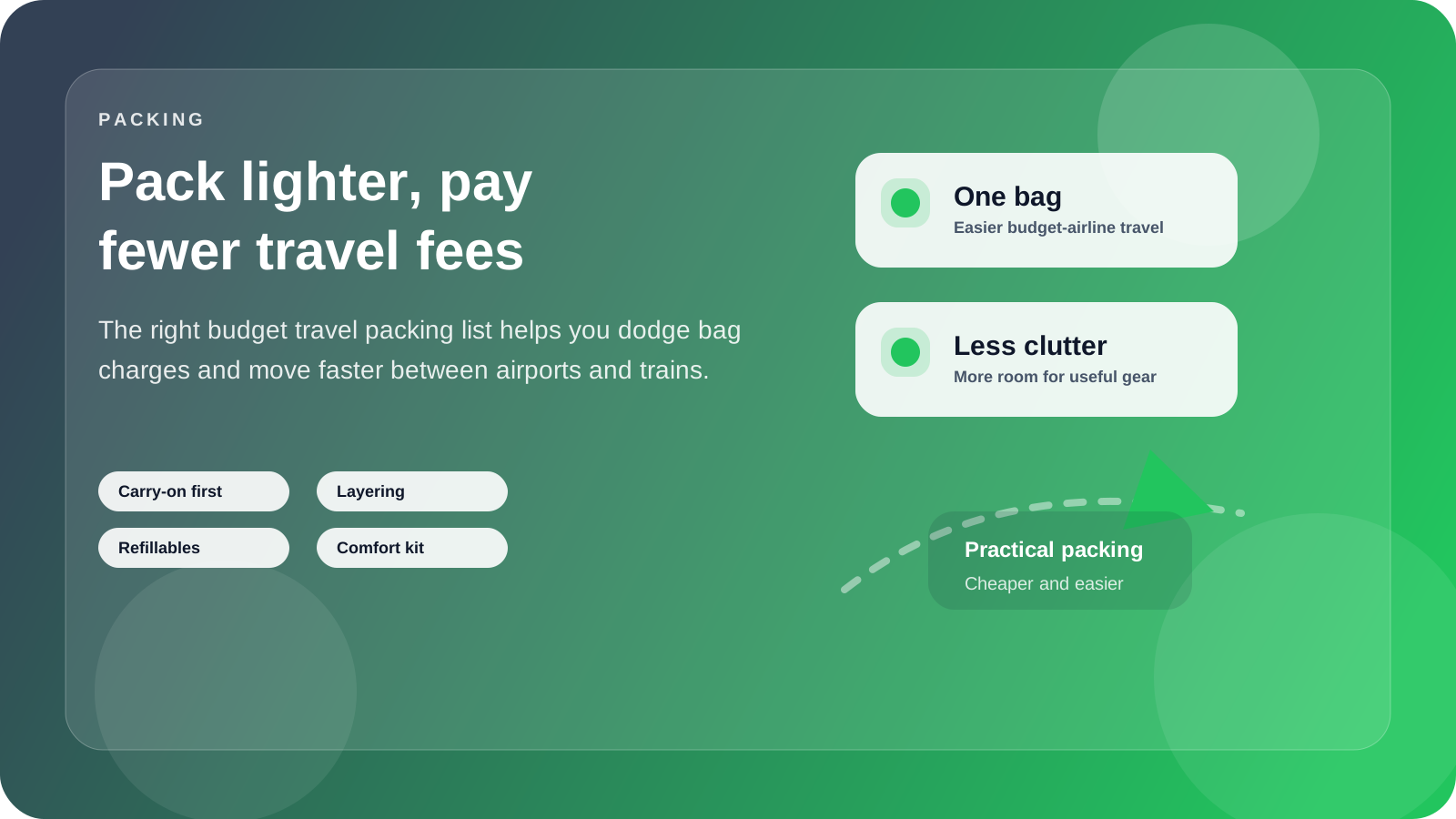
Packing illustration focused on carry-on travel and fee avoidance.
Economy flight hacks that actually protect your budget
Real economy flight hacks are usually small operational decisions that stop a cheap itinerary from getting more expensive at checkout or on travel day. They work because they remove friction: oversized bags, bad airport timing, unnecessary add-ons, and inefficient routing.
That is why this pillar focuses on the practical side of budget flying instead of clever-sounding tricks that do not survive real booking conditions.
Pack for the ticket you actually bought
Packing is not just about convenience. It is part of fare strategy. A traveler who can stay within the airline’s included allowance often keeps a cheaper ticket cheap, while an overpacked traveler can wipe out the savings in one checkout screen.
That does not mean traveling without essentials. It means building a smarter list: versatile layers, a small comfort kit, efficient toiletries, and tech that earns its place. Once you pack that way, low-cost airlines become much easier to use.
- Use the full checklist in Budget Travel Packing List.
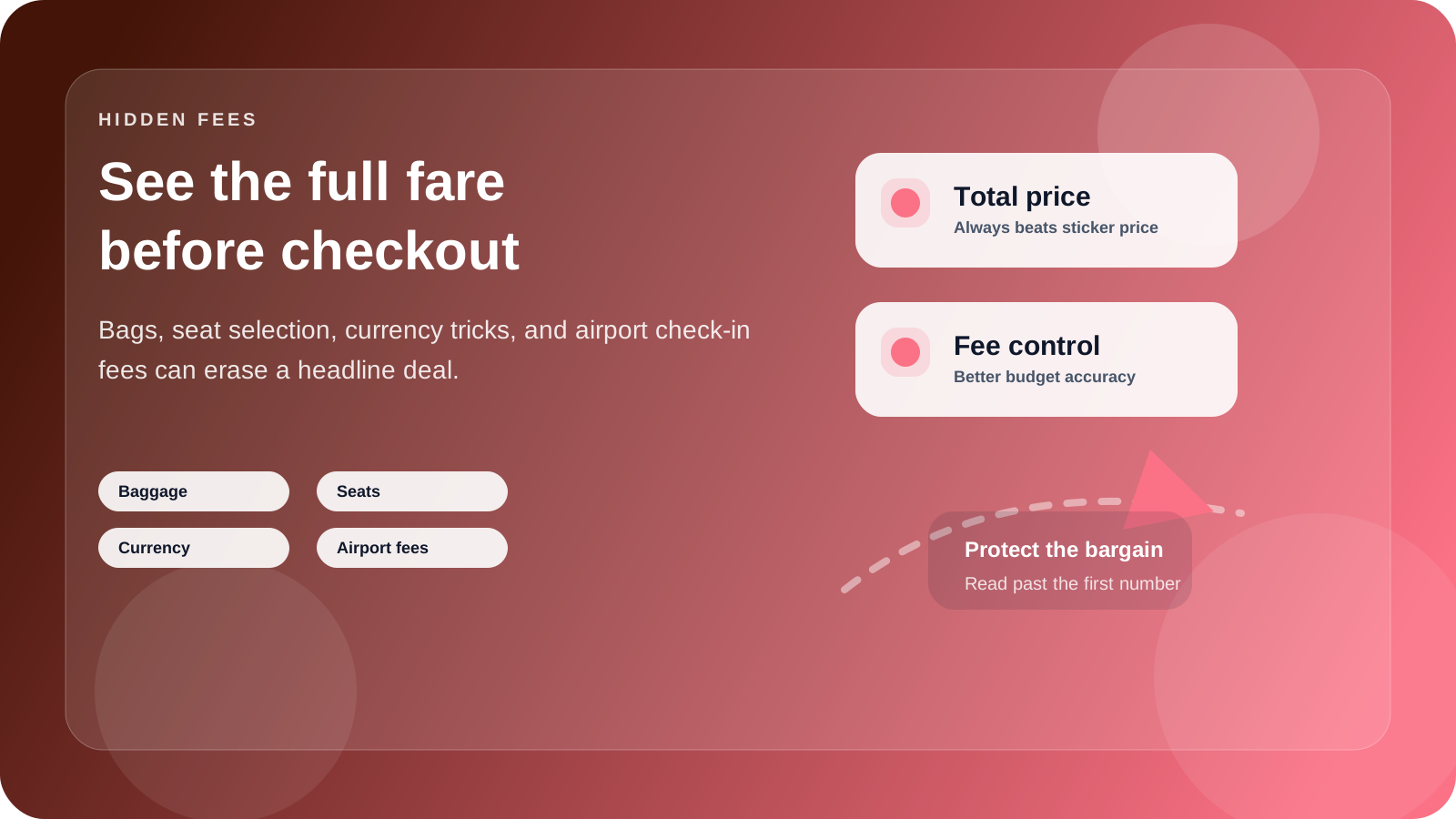
Fee comparison graphic covering bags, seats, currency, and airport charges.
Control fee leakage before it starts
Budget travelers often lose money in small, avoidable ways: oversized cabin bags, seat selection they did not need, dynamic currency conversion, airport check-in charges, and expensive transfers from a remote airport. None of those feel dramatic in isolation. Together, they can erase the difference between a good fare and a bad one.
The easiest fix is to treat checkout as part of the research phase. Read the bag policy, price the airport transfer, and decide what you truly need before you hit pay. The more intentional you are there, the more your flight budget holds up in real life.
- Audit the full fare with How to Avoid Hidden Fees When Booking Flights.
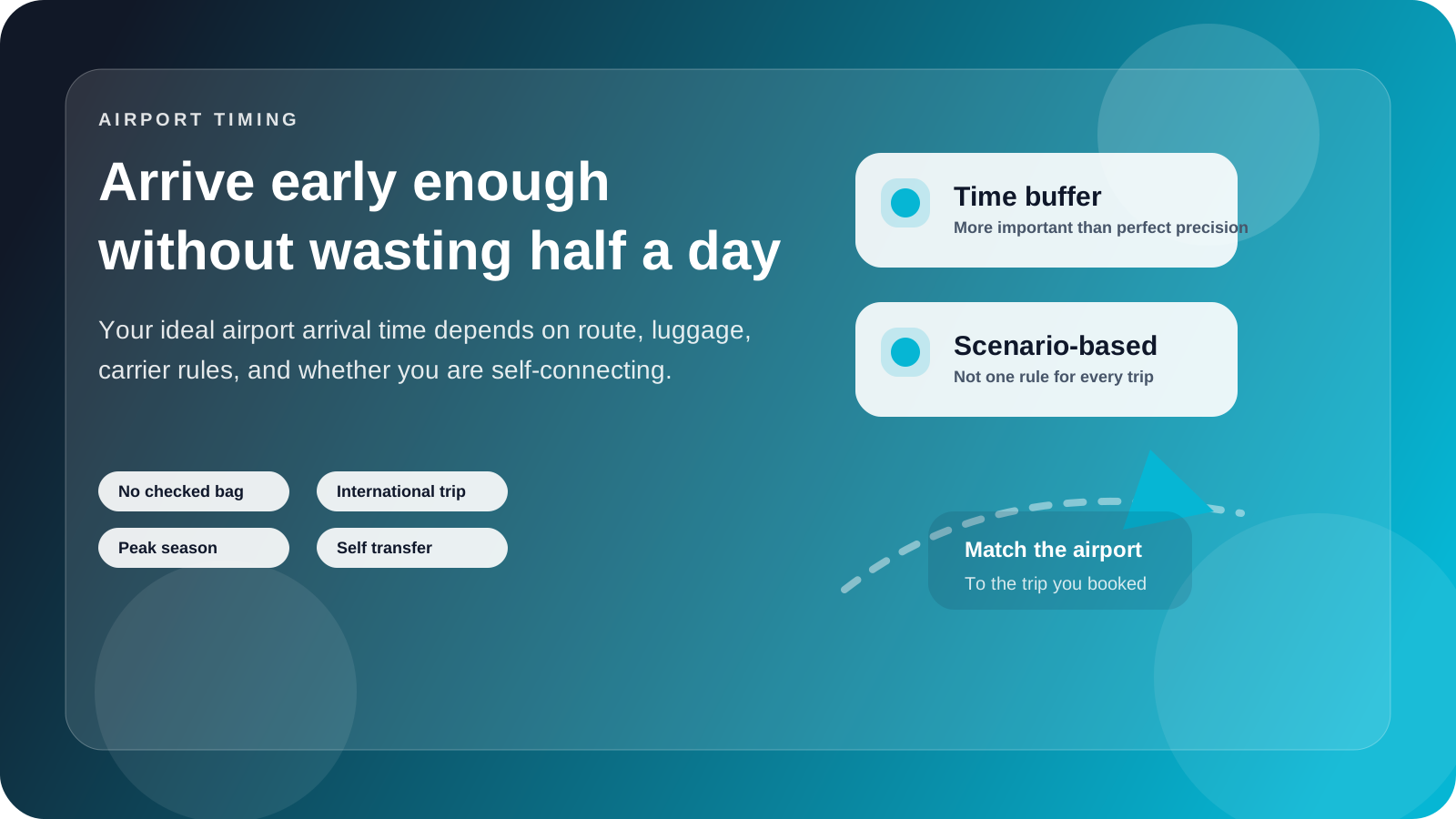
Airport timing checklist illustrating how early to arrive in different scenarios.
Airport timing is a planning tool, not a fixed rule
Travelers love universal airport rules because they feel simple. In reality, airport timing depends on your trip type. Domestic no-bag flights behave differently from international departures, self-connections, or budget-airline check-in windows.
You do not need to arrive absurdly early every time. You do need the right buffer for the ticket and airport you are using. That buffer becomes even more important in summer, when queues, delays, and heat make rushed departures more painful.
- Match your arrival time to the trip in How Early Should You Arrive at the Airport.
Summer rewards practical travelers
Peak-season travel is where small planning choices create the biggest payoff. Early departures can dodge heat and delays. Open-jaw trips can cut backtracking. Midweek flights are often calmer as well as cheaper. Even choosing a beach town near a cheaper gateway can change the feel of the entire trip.
That is what real economy flight hacks look like. They are not internet gimmicks. They are practical moves that reduce friction and let you spend more energy on the trip itself.
- See the most useful peak-season ideas in Summer Travel Hacks Most People Don't Know.
Make one departure checklist shared by the group
List the operating airline, booking reference, terminal, baggage allowance, required documents, and the latest time to leave for the airport. Assign someone to check schedule changes, but keep copies accessible to every traveler so the plan does not depend on one phone.
Put questions that need official answers at the top: entry requirements, medication restrictions, assistance requests, and check-in deadlines. Use the relevant airline, airport, or government guidance for those decisions. This hub helps organize a trip; it does not replace destination-specific rules or a booking provider's conditions.
Related reading
-
Start with Budget Travel Packing List if you want to protect a low fare from bag fees.
-
Use How to Avoid Hidden Fees When Booking Flights before every checkout.
-
For peak-season trips, combine this page with Summer Travel Hacks Most People Don't Know and How Early Should You Arrive at the Airport.
FAQ
What travel hack saves the most money most consistently?
Packing in a way that fits your ticket rules is one of the most reliable wins because it prevents bag fees, speeds up airport time, and makes budget-airline travel much easier.
Do travel hacks replace good flight booking strategy?
No. Travel hacks work best after you already have a sensible flight and itinerary. They protect your budget from leakage through fees, rushed airport decisions, and overpacking.
What should travelers focus on first before a summer trip?
Start with baggage rules, airport timing, and heat-proof scheduling. Summer trips usually become stressful when logistics are ignored, not because the trip itself is too ambitious.
Travel hacks are not about cleverness for its own sake. They are about keeping your trip simple enough that your budget survives from booking day to boarding day.
Related routes and guides
Use this advice on a real route
Airline rankings, economy tips, and booking tactics only become useful once you compare the fare family, airport transfer, and route timing together.
Route guide
Paris to Dublin
Use this route page to compare airport fit, baggage costs, timing, and the prefilled search for CDG to DUB.
Route guide
Amsterdam to Dublin
Use this route page to compare airport fit, baggage costs, timing, and the prefilled search for AMS to DUB.
Search shortcut
Browse route guides with prefilled searches
Move from advice to a route page where airport codes, fare context, and the search form are already aligned.