Direct vs Connecting Flights: Which Is Cheaper

Updated
Direct flights and connecting flights are not really competing on price alone. They are competing on time, convenience, risk, and the full cost of the trip once you leave the checkout screen.
That is why this guide belongs alongside How to Find Cheap Flights and the Cheap Flights & Booking Strategies hub. A cheaper ticket is only useful if it stays cheap in real life.

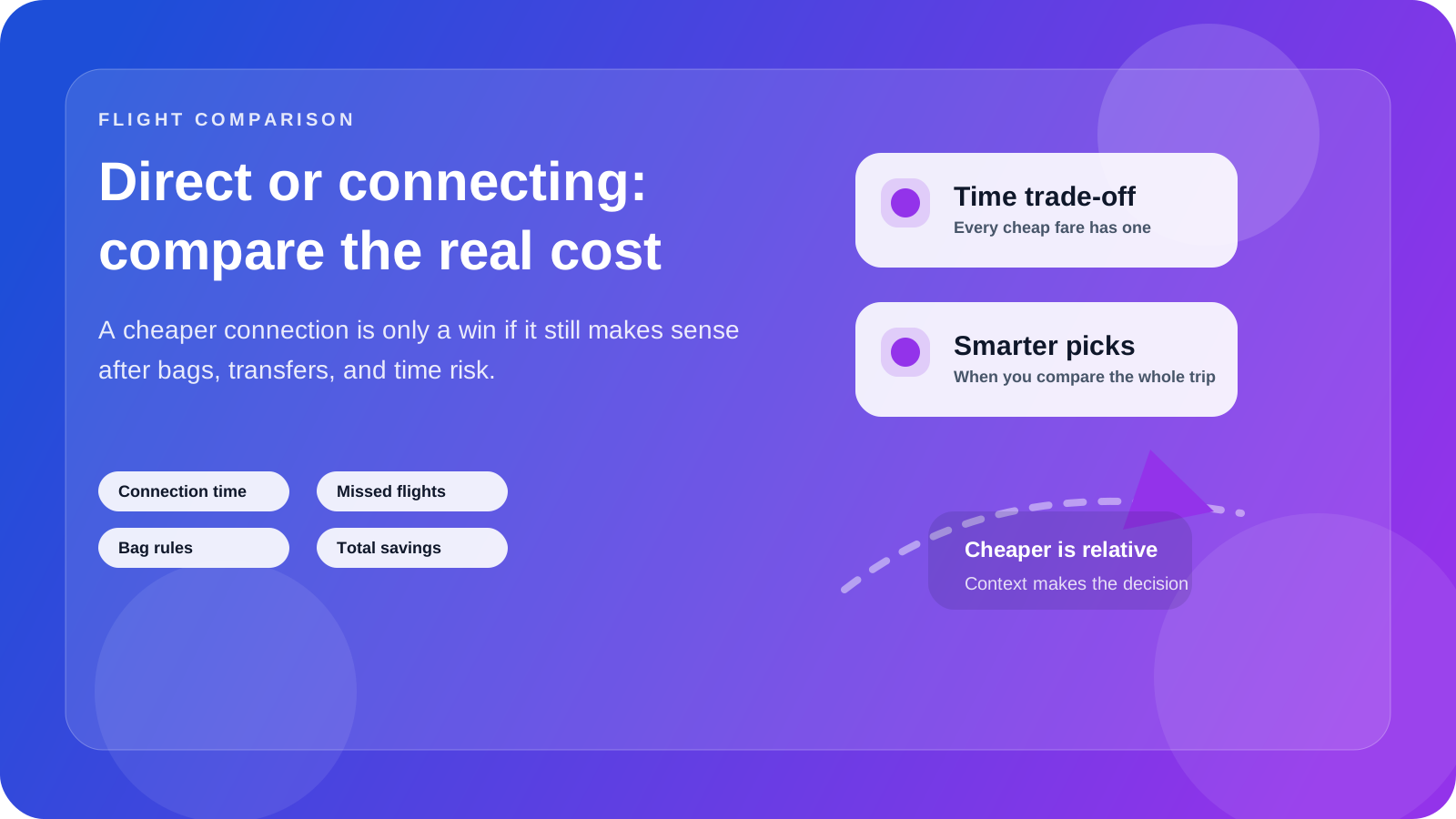
Search interface image showing direct and connecting options side by side.
Why connecting flights often price lower
Airlines know travelers value convenience. Nonstop routes save time, reduce the risk of disruption, and feel mentally simpler, so they often carry a premium. One-stop itineraries can price lower because the airline is asking you to accept a trade-off.
On routes like New York to Rome or Chicago to Barcelona, a connection through Madrid, Lisbon, or Dublin can sometimes open a much cheaper fare than the most obvious nonstop. That does not automatically make it the right answer, but it explains why the price gap exists.
When direct flights are worth the extra money
A short trip is the easiest example. If you only have a long weekend, burning extra hours on a connection can cost more in lost trip value than you save on the ticket. Families, travelers with tight schedules, and anyone carrying more complexity also benefit more from a clean nonstop.
A direct flight can also be worth it when onward ground transport is awkward. If the connection delivers a low fare but a poor arrival time that forces an extra hotel night or expensive transfer, the “saving” may disappear fast.
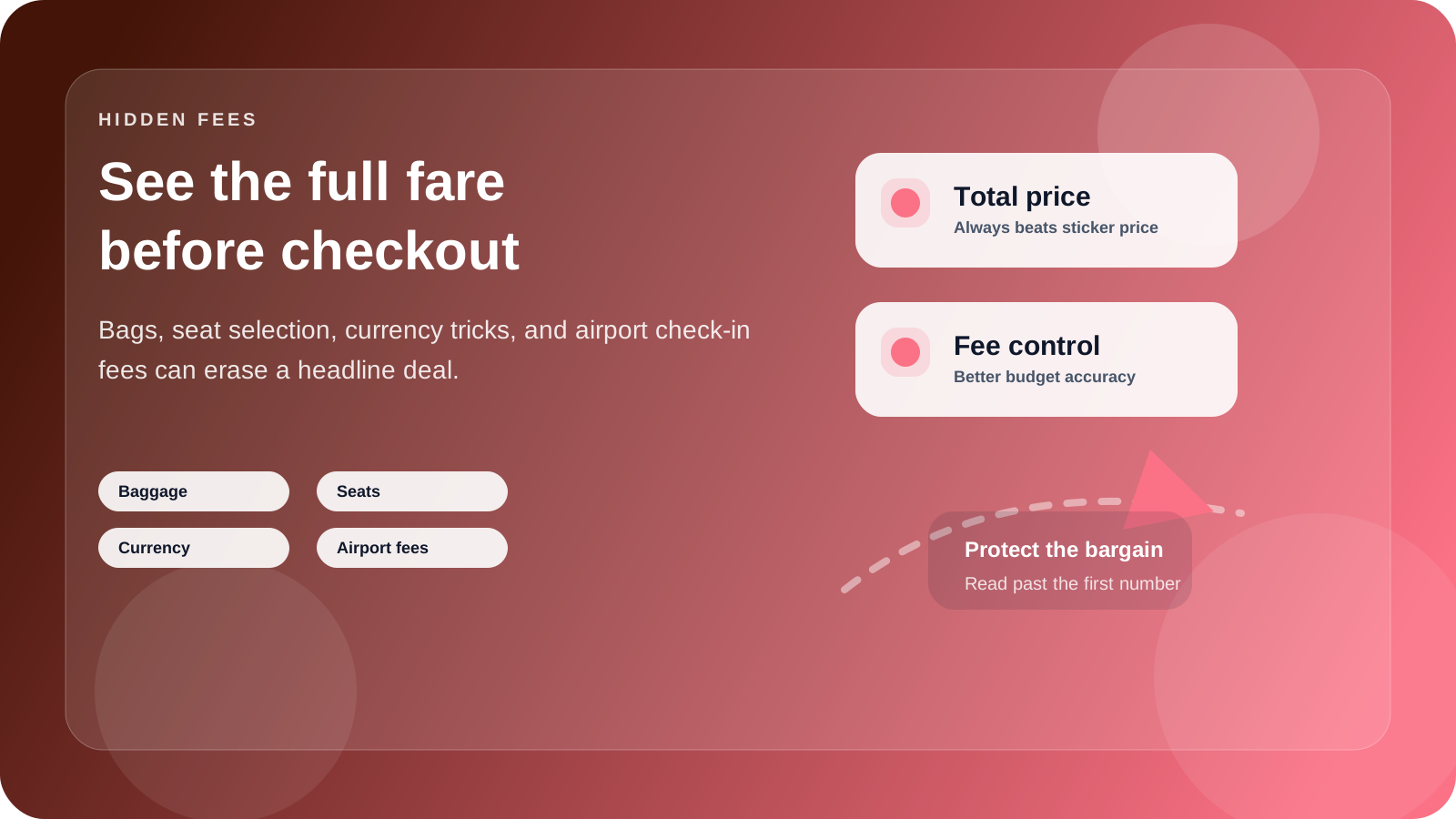
Fare breakdown image covering baggage, airport transfers, and schedule costs.
The hidden costs of cheaper connections
Connections add more than time. They can increase bag risk, create awkward meal windows, require longer airport stays, and raise the chance that a delay ripples across the rest of the trip. If the itinerary is self-connected, the risk is even more important because the airline may not protect you after a missed transfer.
You should also price the extra airport spending honestly. More time in transit usually means more snacks, more coffee, and sometimes more overnight compromises than travelers budget for when they only compare the fare itself.
Use a simple comparison test
A practical way to compare direct and connecting flights is to ask four questions. How much are you actually saving? How much longer will the trip take? What happens if something goes wrong? And does the cheaper itinerary create extra transfer or baggage costs?
If the saving is meaningful and the connection is sensible, the one-stop option can be excellent. If the difference is small or the itinerary is fragile, the direct flight often wins.
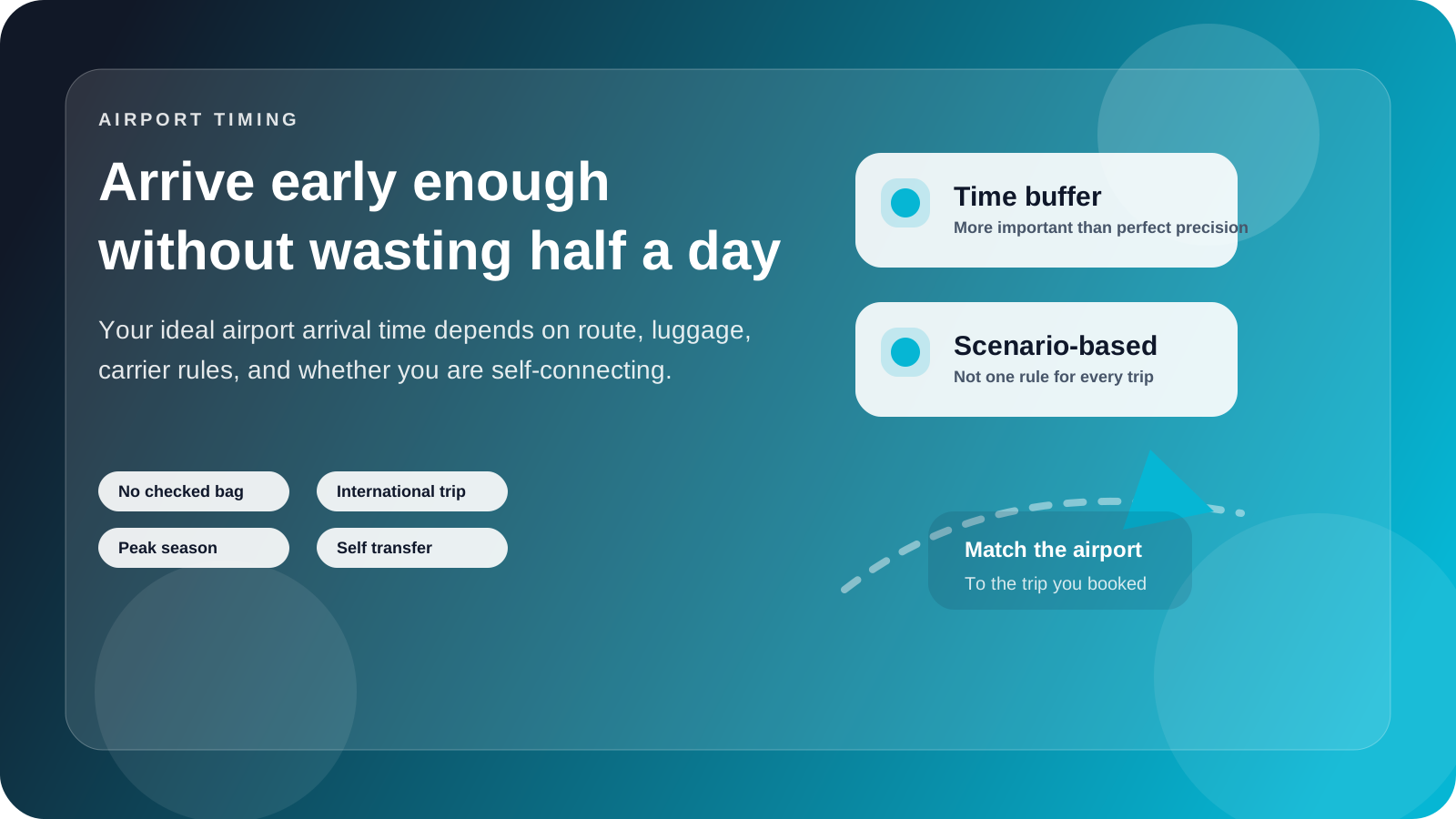
Airport timing image illustrating how more complex itineraries need more buffer.
Context should make the decision
There is no universal winner because the right answer depends on trip length, season, and your tolerance for friction. A leisurely multi-city Europe trip can absorb a one-stop transatlantic arrival easily. A two-night city break cannot.
Treat direct versus connecting as a trip-design choice, not a rule. The cheapest fare is not automatically the best value.
- Choose direct more often for short trips and complex family travel.
- Choose connections more confidently when the savings are meaningful and the layover is reasonable.
- Be careful with self-transfers and very short or very long layovers.
- Always compare the final trip cost, not just the airfare.
Separate a protected connection from two independent bookings
A connection sold as one itinerary and a self-transfer assembled from separate tickets can look similar in search results. Before buying, check who is responsible if the first flight arrives late, whether bags are checked through, and whether you must pass immigration to collect them. Ask the seller if the ticket arrangement is unclear.
For an illustrative €90 saving, subtract a possible hotel night, airport transfer, and any second baggage charge before judging the offer. Recovery costs are not certain, but a missed separately ticketed flight can be expensive. If you cannot afford to replace the onward ticket, that itinerary may exceed your risk budget even if the scheduled connection looks possible.
Related reading
-
Start with the full comparison process in How to Find Cheap Flights.
-
Protect the cheaper option with How to Avoid Hidden Fees When Booking Flights.
-
If timing is part of the question, see Last-Minute Flights vs Advance Booking.
FAQ
Are connecting flights usually cheaper than direct flights?
Often yes, especially on long-haul leisure routes, but not always. The connection only wins if the final trip still makes sense after you factor in time, transfers, and fees.
When is a direct flight worth paying more for?
Direct is usually worth the premium when the trip is short, the schedule is important, you are traveling with family, or a missed connection would be especially disruptive.
What is the biggest mistake when comparing direct and connecting flights?
The biggest mistake is comparing only the airfare instead of the total cost and total stress of the itinerary.
Direct flights are not always cheaper, and connecting flights are not always smarter. The right choice is the one that still feels like a good bargain after you account for time, stress, and the full trip cost.
Related routes and guides
Use this advice on a real route
Airline rankings, economy tips, and booking tactics only become useful once you compare the fare family, airport transfer, and route timing together.
Route guide
New York to Rome
Use this route page to compare airport fit, baggage costs, timing, and the prefilled search for JFK to FCO.
Route guide
Lisbon to Barcelona
Use this route page to compare airport fit, baggage costs, timing, and the prefilled search for LIS to BCN.
Route guide
Lisbon to Dublin
Use this route page to compare airport fit, baggage costs, timing, and the prefilled search for LIS to DUB.
Destination guide
New York
Check the arrival-airport context, route links, and destination fit before treating the lowest fare as the best value.