Last-Minute Flights vs Advance Booking

Updated
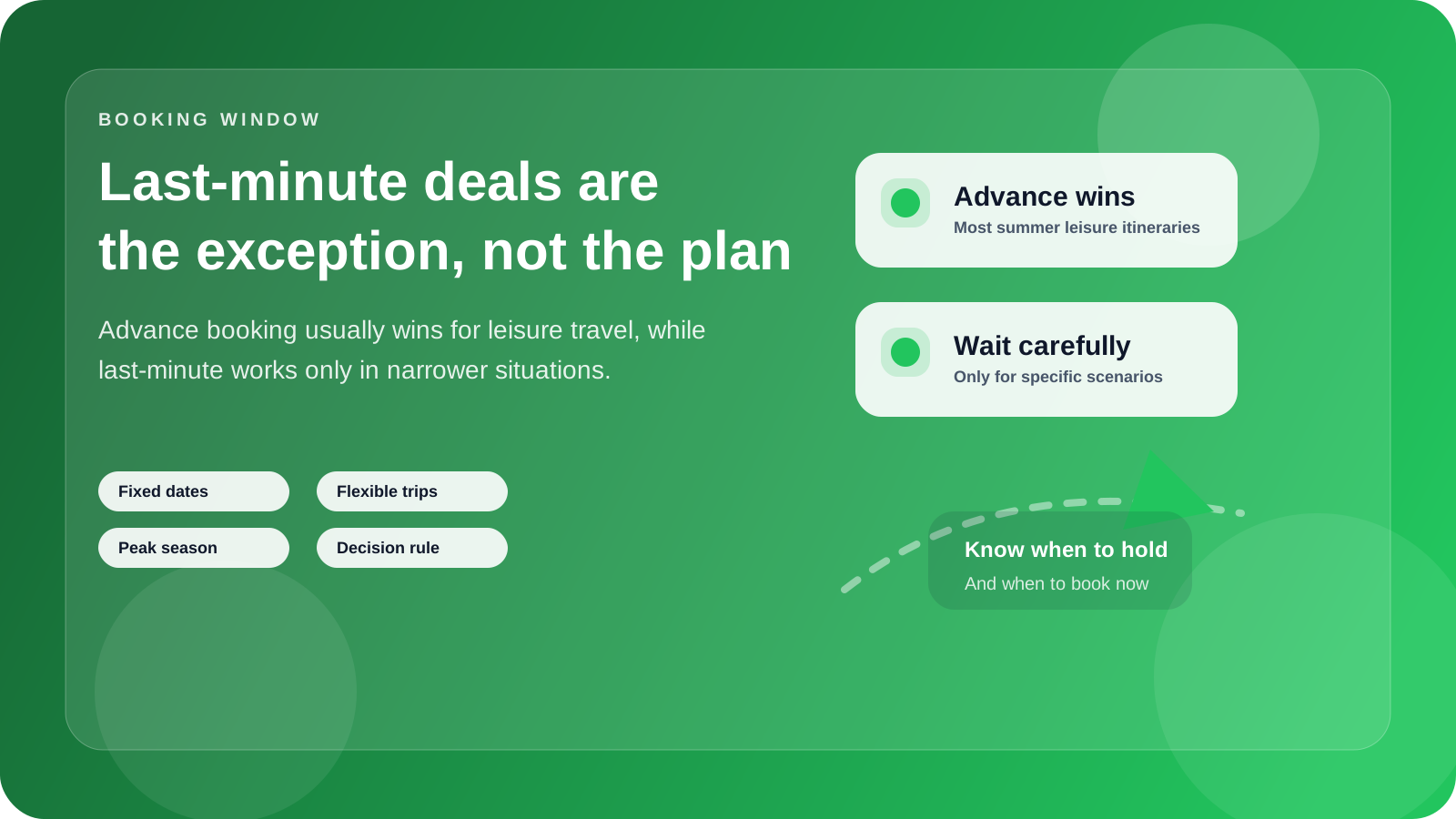
The idea of a dramatic last-minute deal is appealing because it feels cinematic. In reality, most leisure travelers do better with advance booking, especially when dates are fixed and the route is in obvious demand.
This guide belongs with Best Time to Book Flights for Summer Travel and the Cheap Flights & Booking Strategies hub, because the best answer depends on the trip you are actually taking.
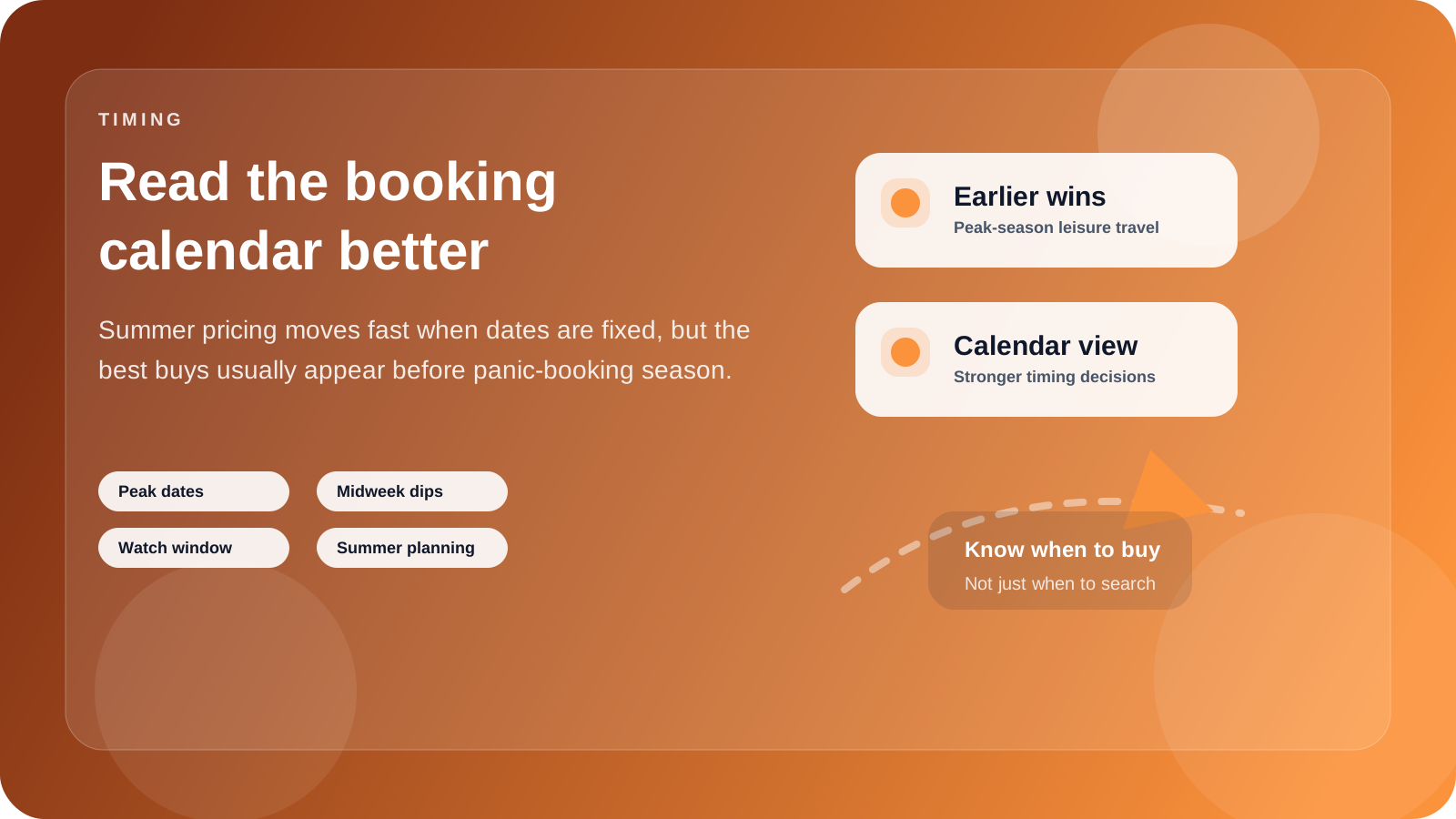
Calendar heatmap image reinforcing earlier planning for high-demand routes.
Advance booking wins on predictable leisure demand
If the trip is a summer holiday, school-break getaway, wedding, or long weekend in a popular city, advance booking usually wins because the market already knows people want those seats. As departure gets closer, the best combinations of price and schedule tend to disappear.
This does not mean booking absurdly early without comparison. It means giving yourself enough time to monitor and act before the route becomes rigidly expensive.
Last-minute works only when the trip itself is flexible
Waiting can still work if your destination is open, your dates are broad, and you are happy to follow the market rather than force a specific plan. In that scenario, you are not really betting on one route dropping. You are giving yourself permission to take whichever route becomes attractive.
That is a very different traveler from someone who needs New York to Athens on a specific Friday in July.
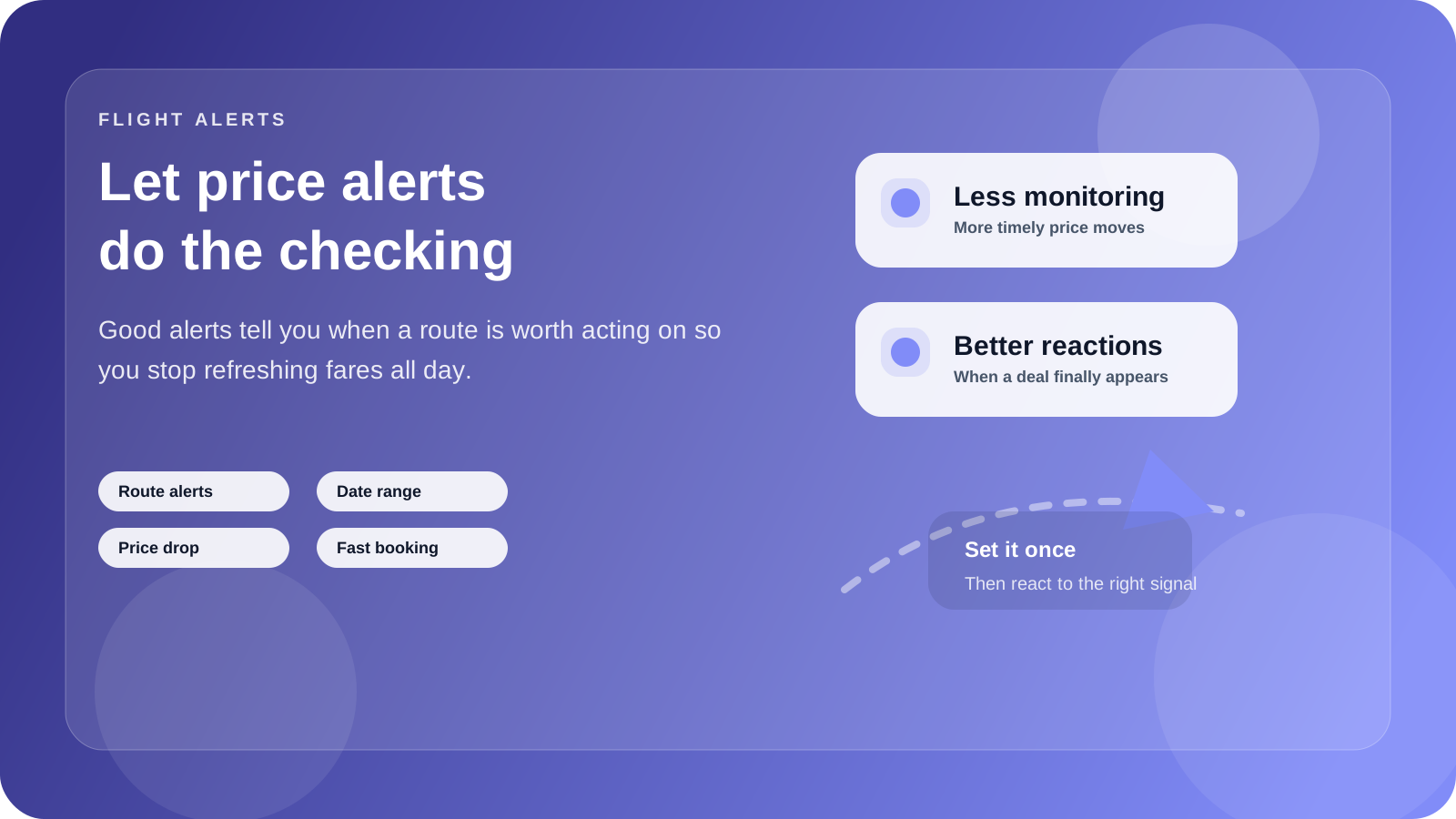
Alert dashboard image for tracking price movement before a booking decision.
Alerts help you wait intelligently, not blindly
If you are going to wait, use alerts. That way you are monitoring the route with purpose rather than refreshing fares and hoping. Alerts can show whether the market is stable, worsening, or occasionally presenting bookable opportunities.
Without that structure, “waiting” often becomes procrastination dressed up as strategy.
Trip length and route type change the answer
A short city break is less tolerant of last-minute chaos because you have fewer ways to absorb bad timing or expensive schedules. A longer open-ended trip can be more flexible, especially if you are willing to adjust the destination based on what the market gives you.
The more specific the trip, the less useful last-minute thinking usually becomes.
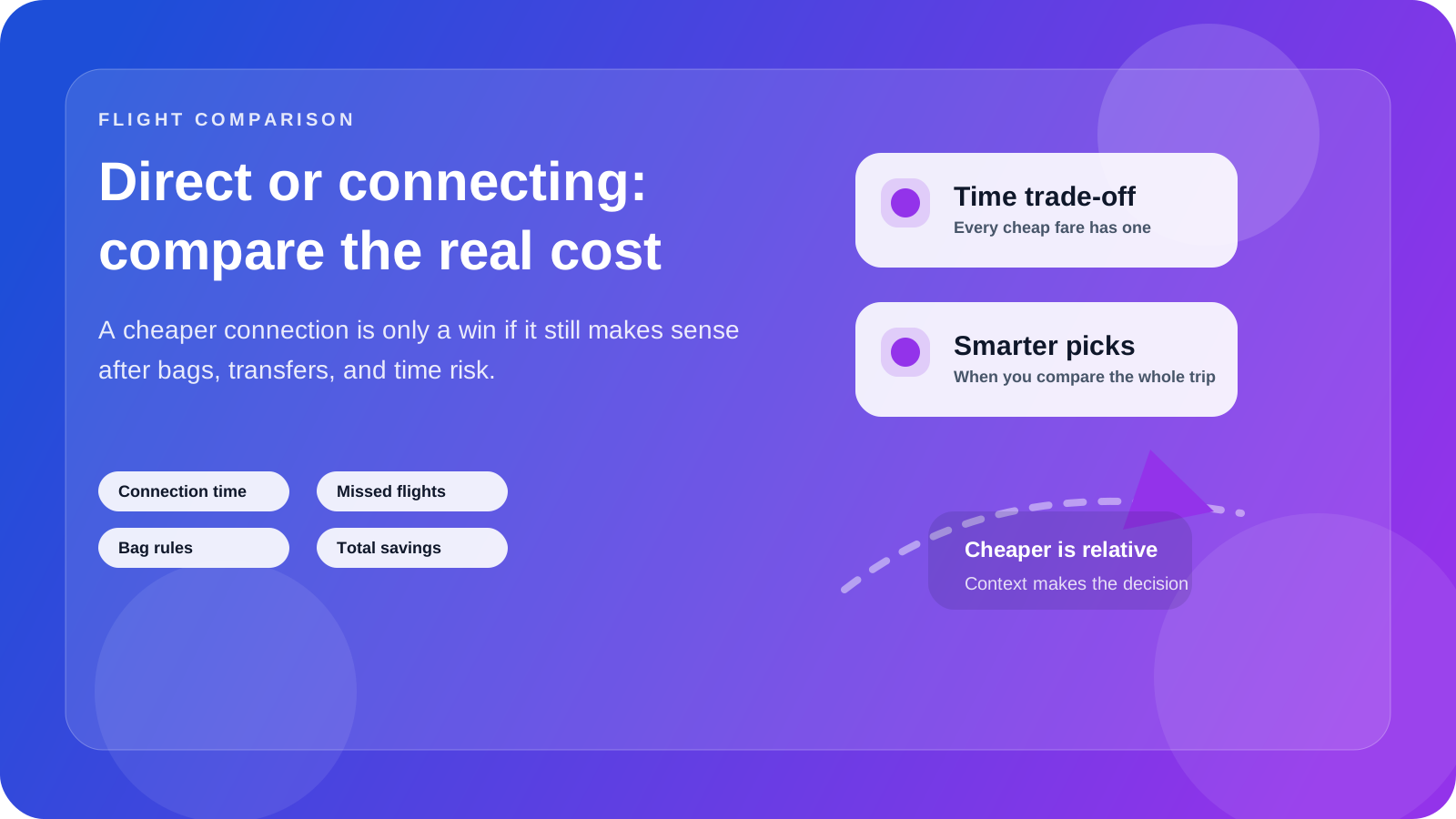
Comparison image supporting scenario-based booking decisions.
Use a simple decision rule
If the destination is fixed, the dates matter, and the season is busy, book in advance once the fare is acceptable. If the destination is flexible, the dates are broad, and you are genuinely willing to pivot, waiting can be reasonable for longer.
That rule is not romantic, but it is reliable.
- Book earlier for fixed-date leisure trips and peak seasons.
- Wait only if the trip is flexible enough to follow the market.
- Use alerts if you plan to wait.
- Do not confuse indecision with strategy.
Separate a flexible escape from an essential journey
Waiting is a different decision when you can skip the trip altogether. For a spontaneous weekend, an unsold seat may be an opportunity if accommodation and ground transport also work. For a wedding or a fixed departure, the cost of finding no acceptable flight matters more than a possible late discount.
Write down your fallback before waiting: another airport, a different date, ground transport, or not traveling. Price the fallback too. If none is acceptable, buy a suitable itinerary when it fits your budget rather than treating last-minute booking as a guaranteed saving strategy.
Related reading
-
Start with Best Time to Book Flights for Summer Travel for peak-season timing.
-
If you wait, use How to Use Flight Alerts to Save Money to do it intelligently.
-
Compare itinerary trade-offs with Direct vs Connecting Flights.
FAQ
Are last-minute flights usually cheaper?
Usually not for leisure travel, especially on popular routes and peak-season dates. Last-minute bargains are more exception than rule.
When can waiting still make sense?
Waiting can make sense when your dates, destination, and even trip length are flexible enough that you can act on whatever good route appears.
Why does advance booking usually win?
Because leisure demand becomes more constrained as departure gets closer, which leaves travelers with fewer good schedules and less pricing flexibility.
Last-minute flights can work, but they are not the default path to cheap travel. For most leisure trips, advance booking wins because it preserves choice and protects you from obvious demand spikes.
Related routes and guides
Use this advice on a real route
Use the guide as a decision filter: compare the base fare, bags, seat choice, airport access, and travel time before calling a ticket cheap.
Destination guide
New York
Check the arrival-airport context, route links, and destination fit before treating the lowest fare as the best value.
Search shortcut
Browse route guides with prefilled searches
Move from advice to a route page where airport codes, fare context, and the search form are already aligned.