How to Use Flight Alerts to Save Money

Updated
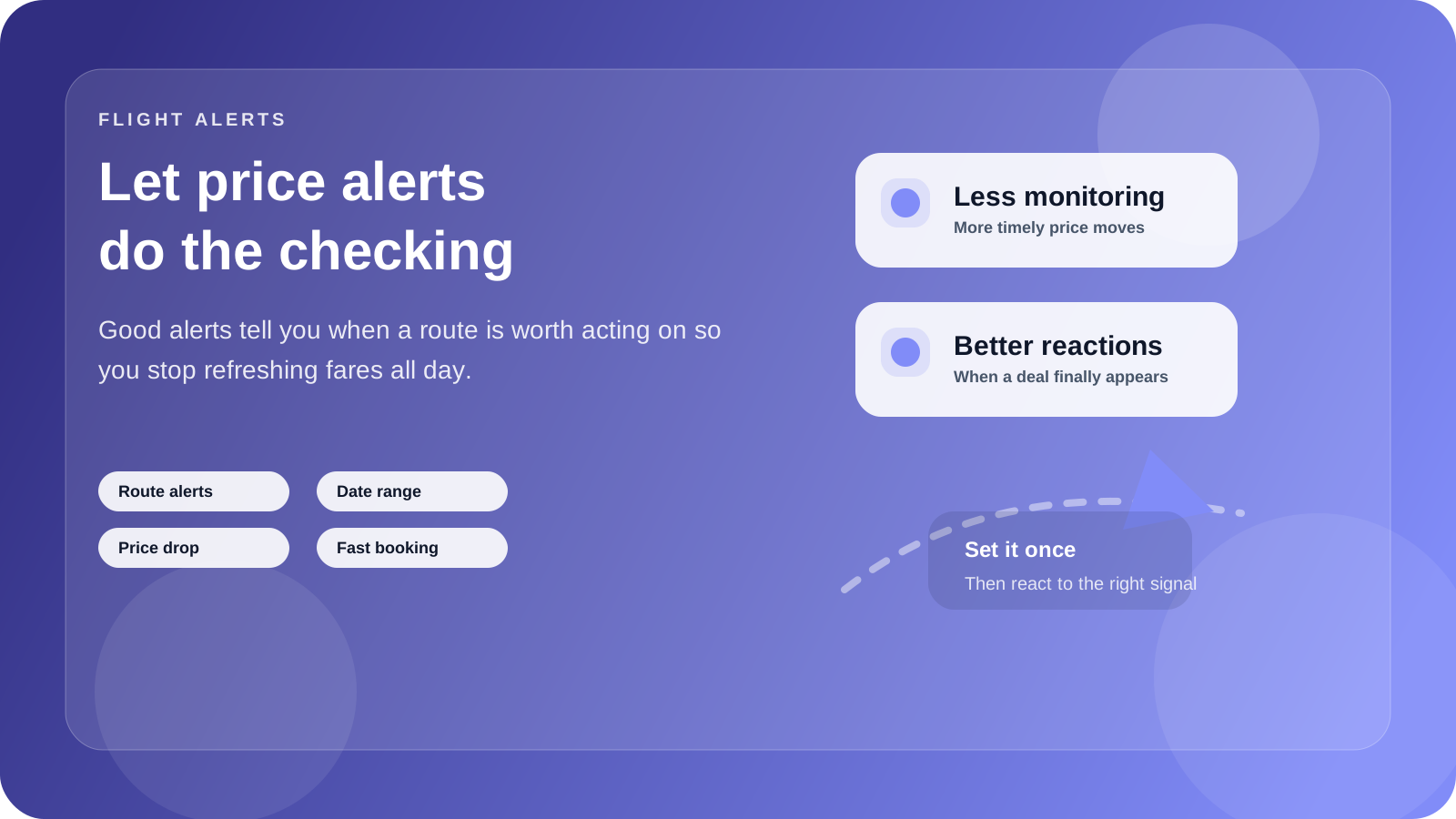
Flight alerts are one of the best tools for cheap flights because they replace guesswork with monitoring. Instead of checking the same route every day, you define what matters, let the price move, and act when the fare finally becomes attractive.
They work especially well when paired with How to Find Cheap Flights and the Cheap Flights & Booking Strategies hub, because alerts are most effective when you already understand which routes and date ranges deserve attention.
Flight-search dashboard image emphasizing route setup before fare alerts.
Set alerts on routes, not just dreams
The strongest alerts start with realistic route research. If you know you want southern Europe, do not monitor only one exact airport pair if several entry points would work. Alerting Boston to Lisbon, Boston to Madrid, and Boston to Barcelona can reveal very different value at the same time.
That wider net matters because cheap fares often appear on the easiest long-haul entry point rather than the exact destination you first imagined. Alerts help you see that without manually rebuilding searches every morning.
Use wider date ranges whenever you can
A narrow alert can still be useful when dates are fixed, but a wider date range is where alerts become powerful. If your trip can leave anywhere from Tuesday through Friday, or you can stay seven to ten nights, the price tracker has more room to show meaningful differences.
This matters most on summer and holiday routes where one return date can be far more expensive than the next. Alerts are not just telling you when to book. They are quietly teaching you how the route behaves.
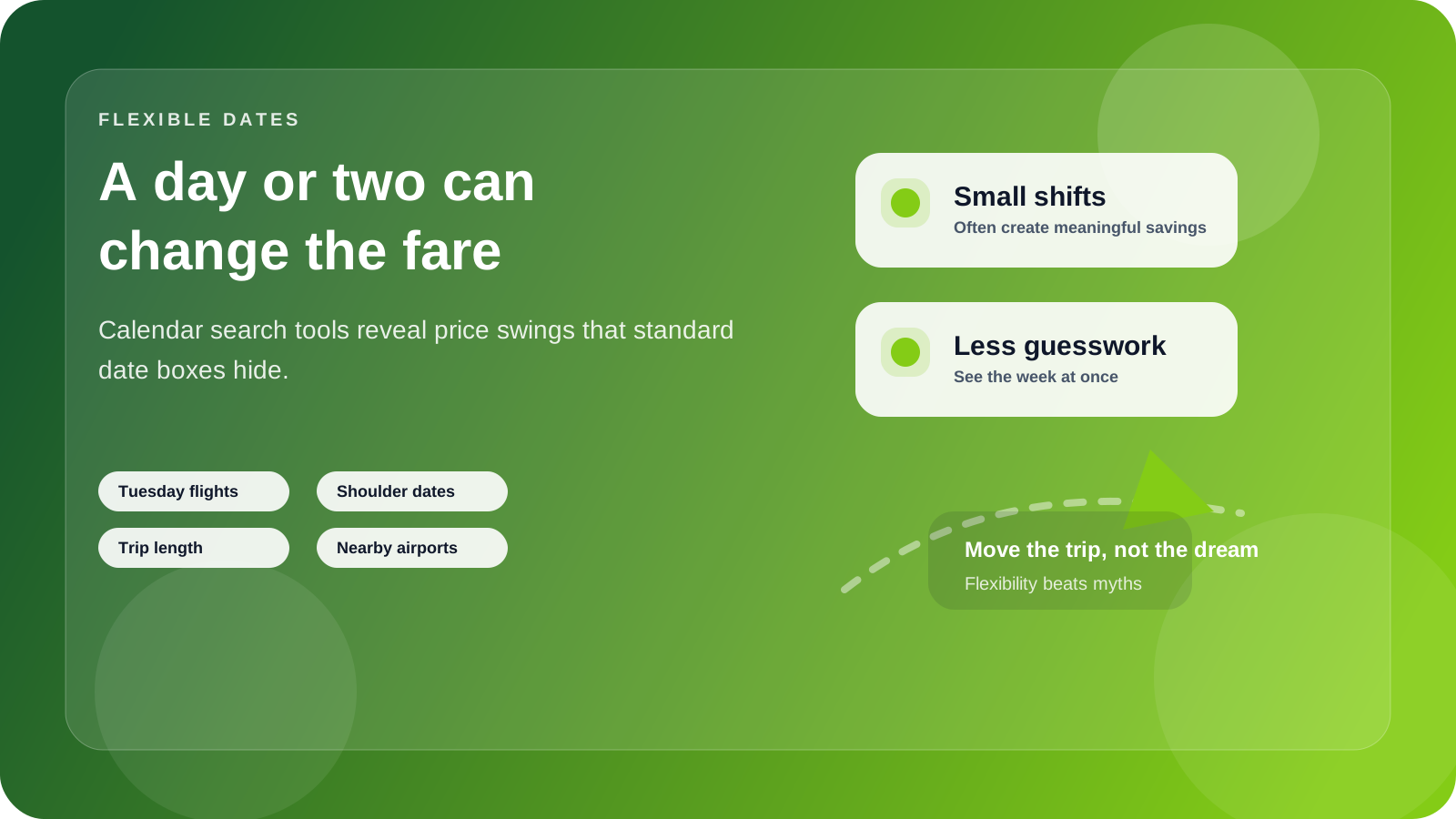
Calendar comparison image for broader fare tracking.
Decide your action price before the alert arrives
A flight alert only saves money if you are ready to interpret it. Decide in advance what fare range feels good for the route and season. That way you can move when the alert lands instead of spending hours trying to figure out whether the price is “actually a deal.”
This is where alerts save the most stress. You are not reacting from scratch. You are responding to a pre-decided plan.
Combine alerts with full-trip thinking
An alert can show a tempting drop, but you still need to audit the itinerary. Is the airport transfer expensive? Are the bags strict? Is the layover too risky? Alerts point you toward opportunity; they do not replace judgment.
The good news is that once you build the habit, that judgment gets faster. You start spotting which alerts are genuinely useful and which ones are merely noise.
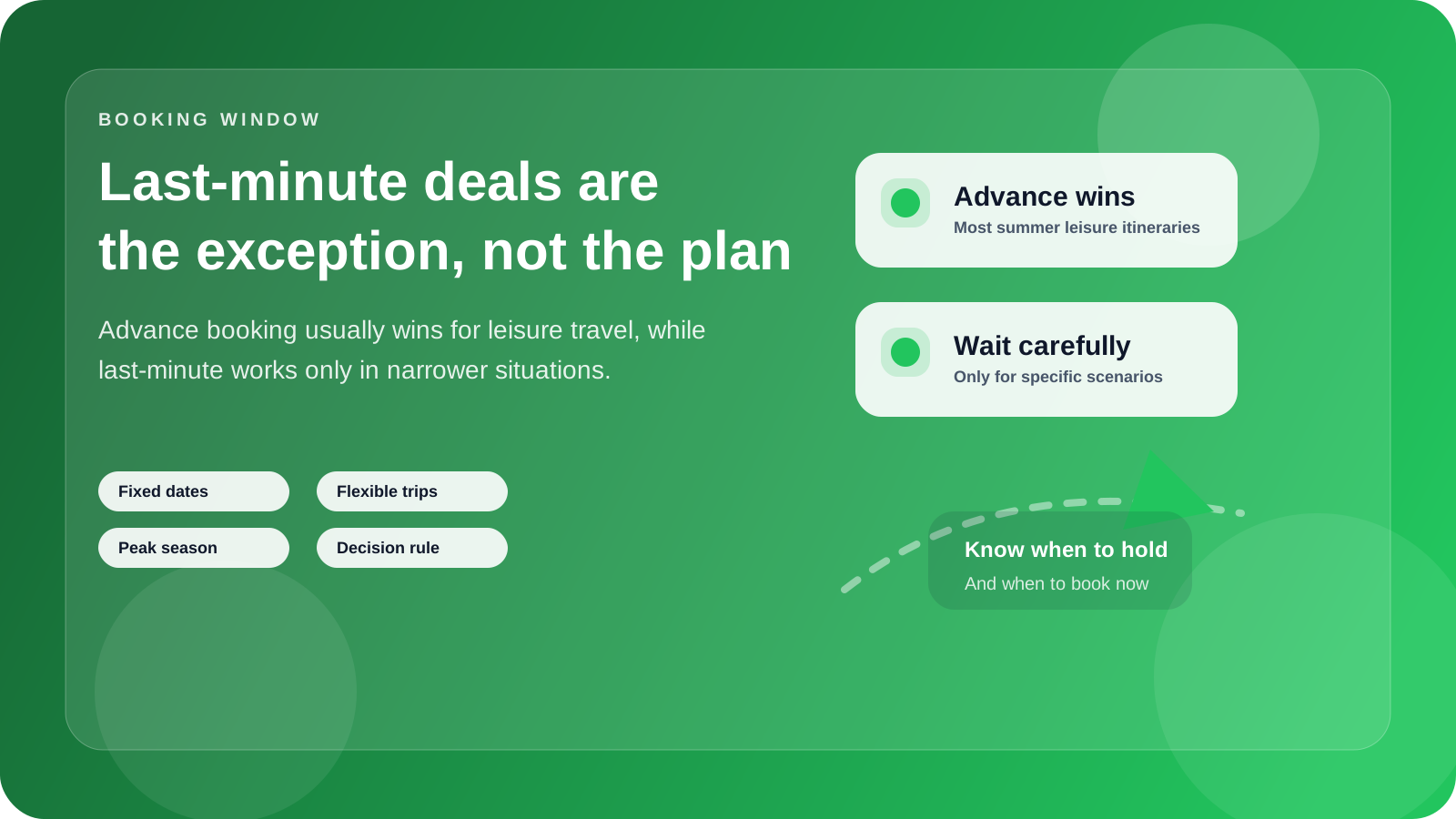
Decision graphic for acting on a good fare instead of hesitating.
Use alerts to narrow, not delay forever
Some travelers treat alerts as permission to wait indefinitely. That defeats the point. Alerts are there to help you book sooner with confidence once the route enters your comfort zone.
If the fare is good, the itinerary works, and the season is busy, the alert has done its job. The next move is usually to book, not to start another round of hoping for perfection.
- Set alerts for two or three realistic airports, not only one dream route.
- Use date ranges if your trip has even modest flexibility.
- Choose your acceptable price before the alert arrives.
- Audit the full itinerary before booking.
Write down what the alert is allowed to change
An alert should match a trip you can actually book. Record departure airports, date flexibility, cabin, passenger count, and whether connections are acceptable. If the service cannot track baggage-inclusive totals, keep an estimated baggage allowance beside your target and verify the exact fee when an alert arrives.
When notified, refresh the offer with the seller and compare the total against your saved baseline. A lower headline price may use a different airport or fare type. Turn off alerts after booking unless you have a specific reason to monitor them, such as a fare rule that allows a credit; do not assume all tickets offer a refund when prices fall.
Related reading
-
Build the route strategy first with How to Find Cheap Flights.
-
Use Best Time to Book Flights for Summer Travel to understand when alerts matter most.
-
If your schedule is open, add How Flexible Dates Save You Money on Flights to the workflow.
FAQ
Should I set alerts for exact dates or a wider range?
If your trip allows it, a wider range is usually better because it captures the date patterns that create the biggest airfare differences.
How do I know if an alert is actually good?
You know it is useful if the fare fits your target budget and the itinerary still works once you factor in bag rules, airport location, and timing.
Are alerts enough on their own?
No. Alerts work best when paired with a route strategy, flexible dates where possible, and a clear idea of what price you are willing to book.
Flight alerts save money because they help you notice the right moment without babysitting the search. Set them with intention, decide your target in advance, and act when the route finally lines up.
Related routes and guides
Use this advice on a real route
The practical test is not which fare looks lowest first. It is which route still works after baggage, transfers, and schedule quality are included.
Route guide
Lisbon to Barcelona
Use this route page to compare airport fit, baggage costs, timing, and the prefilled search for LIS to BCN.
Route guide
Lisbon to Madrid
Use this route page to compare airport fit, baggage costs, timing, and the prefilled search for LIS to MAD.
Route guide
Madrid to Barcelona
Use this route page to compare airport fit, baggage costs, timing, and the prefilled search for MAD to BCN.
Destination guide
Barcelona
Check the arrival-airport context, route links, and destination fit before treating the lowest fare as the best value.